
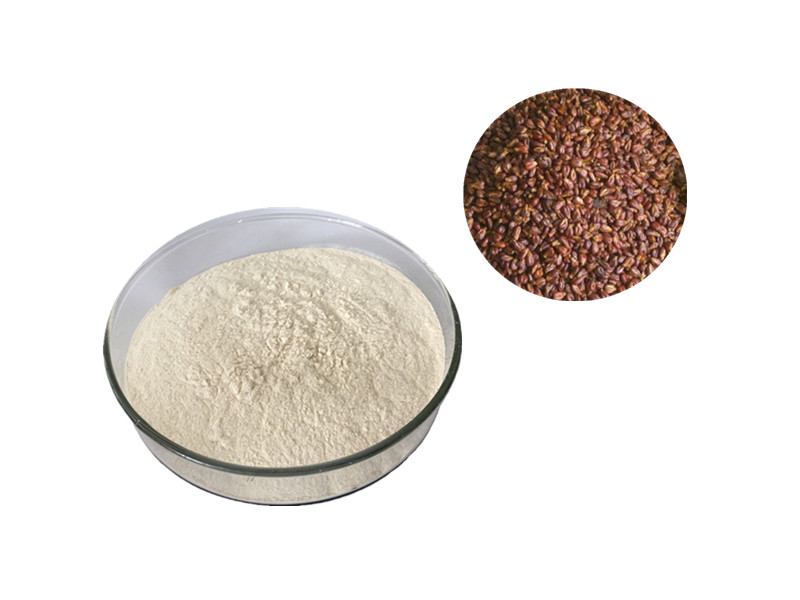
1. The Bulking Agent: Optimizing Intestinal Motility
Psyllium Husk serves as a mechanical "regulator" that restores rhythmic consistency to the digestive tract.
· Stool Softening & Transit: The mucilaginous gel retains moisture throughout the colon, increasing stool volume and softening consistency. This facilitates a "mechanical sweep" of the intestinal walls, alleviating constipation without the irritation of stimulant laxatives.
· Intestinal Transit Modulation: Paradoxically, Psyllium also benefits those with loose stools by absorbing excess liquid, increasing fecal viscosity, and slowing down rapid transit to improve nutrient absorption.
· Gastrointestinal Pressure Reduction: By easing the passage of waste, Psyllium reduces the intraluminal pressure in the colon, supporting long-term diverticular and hemorrhoidal health.
2. The Lipid Sequestrant: Cardiovascular Risk Mitigation
Emerging clinical data highlights Psyllium’s sophisticated role as a "molecular sieve" that intercepts lipids before they enter the bloodstream:
· Bile Acid Binding: Psyllium gel traps bile acids in the small intestine, preventing their reabsorption into the liver. To maintain bile levels, the liver is forced to upregulate LDL-receptor activity, pulling "bad" cholesterol from the blood to synthesize new bile.
· Postprandial Lipid Blunting: By slowing the emulsification of dietary fats, Psyllium reduces the surge of triglycerides in the blood following a high-fat meal.
· Cardiovascular Resilience: Clinical trials confirm that consistent Psyllium intake can lead to a significant reduction in total and LDL cholesterol, supporting the structural health of the arterial endothelium.
3. The Glycemic Buffer: Flattening the Insulin Curve
The physiological reach of Psyllium extends to the body's glucose management system:
· Glucose Diffusion Barrier: The viscous gel matrix creates a physical barrier that slows the access of Digestive Enzymes to starches. This results in a slower, more sustained release of glucose into the bloodstream.
· Satiety Signaling: By slowing Gastric Emptying and creating physical distension in the stomach, Psyllium triggers early signaling of the Satiety Hormones (such as GLP-1), helping to regulate appetite and prevent overconsumption.
· Hormonal Stability: By preventing sharp glucose "spikes," Psyllium minimizes the compensatory insulin "crashes" that often drive cravings and energy fluctuations.
Ready to Manufacture Your Premium Private Label Line?
At www.oemsupplementmaker.com, low moq supplement manufacturer, we transform cutting-edge metabolic science into premium, retail-ready supplements. Manufacturing high-quality formulas under strict ISO 22000 global Food Safety standards requires a strictly controlled manufacturing environment maintained strictly below 20% relative humidity and 14°C. These advanced measures stop moisture absorption, protect low-melting active ingredients from breaking down, and guarantee perfect dosage uniformity across every capsule without the risk of batch separation or machinery jams.
With our accessible low-MOQ manufacturing tracks (starting at just 500 to 1,000 bottles), your brand can confidently launch a premium, doctor-formulated product line utilizing ISO 22000 certified manufacturing without locking up massive upfront capital or risking slow-moving inventory. From raw material identity testing and High-Performance Liquid Chromatography (HPLC) potency verification to fully compliant label documentation, we handle your entire custom manufacturing process with absolute precision.
We specialize in the US dietary supplement market, serving as the premier contract manufacturer for gyms, community brands, and wellness startups across the nation. We break down traditional industry barriers by offering fully custom capsule formulations in small batches (Low MOQ) paired with reliable Door-to-Door Delivery.
From coast to coast, we provide seamless fulfillment to growing brands across the continental US, with a strong logistics network serving client hubs in California, New York, Texas, Ohio, Utah, Washington, and beyond.
❓ Frequently Asked Questions (FAQ)
Q1: What is your Minimum Order Quantity (MOQ) for custom capsule supplements?
A: We offer some of the most flexible low MOQs in the US market, starting as low as 500 to 1,000 bottles depending on your Custom Formulation. We intentionally break down the traditional industry barrier of 5,000+ bottles to help gyms, local wellness brands, and startups launch test batches with minimal upfront capital and zero inventory risk.
👉 [Contact our team today to get an instant MOQ quote for your custom capsule formula!]
Q2: Do you offer fully custom capsule formulations, or only pre-made stock formulas?
A: We specialize in 100% fully custom capsule formulations tailored specifically to your brand’s needs—whether it’s for weight management, prostate support, mood elevation, or vascular health.
👉 [Have a Custom Formula idea? Send us your ingredient list for a free technical evaluation!]
Q3: How does your door-to-door delivery service work across the United States?
A: We provide hassle-free, door-to-door delivery directly to your facility, gym, or warehouse anywhere in the continental US. Through our robust national logistics network, we regularly serve client hubs in California, New York, Texas, Ohio, Utah, Washington, and beyond. We handle all Shipping logistics, tracking, and inland transport so you can Focus entirely on marketing and sales.
👉 [Request a shipping estimate to your state today!]
Q4: Are your manufacturing facilities compliant with US FDA and cGMP standards?
A: Absolutely. All products manufactured through www.oemsupplementmaker.com are produced in FDA-registered and cGMP-certified facilities. We adhere to rigorous quality control protocols, including identity, purity, and heavy metal testing, ensuring your Custom Capsules meet all federal regulations and pass third-party lab testing (Label Claim Assays) with total transparency.
👉 [Ask us for sample COAs and compliance verification for your next batch!]
Q5: What is the typical lead time from formula approval to door-to-door delivery?
A: For most custom capsule orders, our standard production and delivery timeline is 4 to 6 weeks after final formula and label artwork approval. If you are ordering sample custom formulations, pilot samples can be prepared in as fast as 7 to 10 business days. We prioritize fast turnaround times to keep your startup agile and fully stocked.
👉 [Start your custom formulation process today to lock in your production timeline!]
- Random Content
- Hot content
- Hot review content
- Top Ingredients in Cholesterol Management Capsules: A Complete Guide for Heart Health
- The Cellular Fountain of Youth: How Glutathione & Selenium Synergy Drives Longevity and Healthy Age
- The Inflammation Revolution: Top Formulation Trends for Inflammation Management in the US Market
- The Midlife Feminine Revolution: Top Formulation Trends for Menopause Support in the US Market
- The Circadian Harmonizer: Restoring Neurological Calm and Sleep Architecture
- The Intestinal Reset: Optimizing Digestive Transit and Gut Barrier Function
- The Top Ingredients in Cardiovascular Support Capsules: A Complete Guide to Heart Health Supplements
- Black HDPE bottle
- 1Activated Charcoal vs. Bentonite Clay: Which Is Better for a Deep Gut Cleanse?
- 2Who Should Avoid Using Dandelion Root or Artichoke Supplements?
- 3Essential FDA Requirements for Dietary Supplement Labeling: A Comprehensive Compliance Guide
- 4Senna vs. Rhubarb Extract: Anthraquinone Dynamics in Gastrointestinal Cleansing
- 5The Metabolic Rescue: Neutralizing Alcohol Toxicity and Restoring Neuro-Chemical Balance
- 6The Immune Sentinel: Fortifying the Body’s Multi-Layered Defense Network
- 7The Vitality Blueprint: Optimizing Hormonal Synergy and Masculine Resilience
- 8Scale Your Supplement Brand with Low MOQ Custom Capsule Manufacturing
- 1Trans-Resveratrol: The Next-Gen Performance & Longevity Catalyst
- 2Aloe Vera Extract: The Dual-Action Bio-Modulator for Intestinal Resurfacing and Colonic Clearance
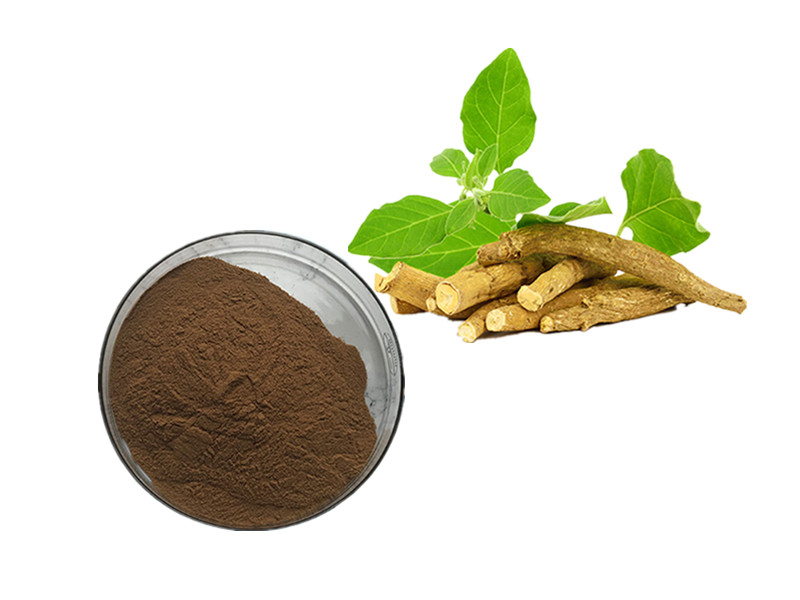
- 3Ashwagandha (Withanolides): The Neuro-Endocrine Adaptogen for Homeostatic Resilience
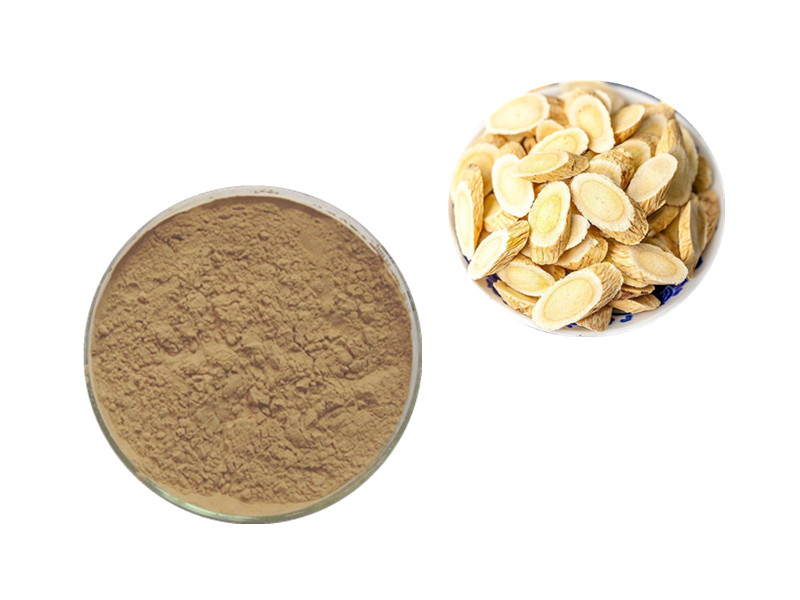
- 4Astragalus Extract: The Polysaccharide Matrix for Deep Immunological Fortification
- 5Agaricus Blazei: The High-Potency Beta-Glucan for Immune Vigor
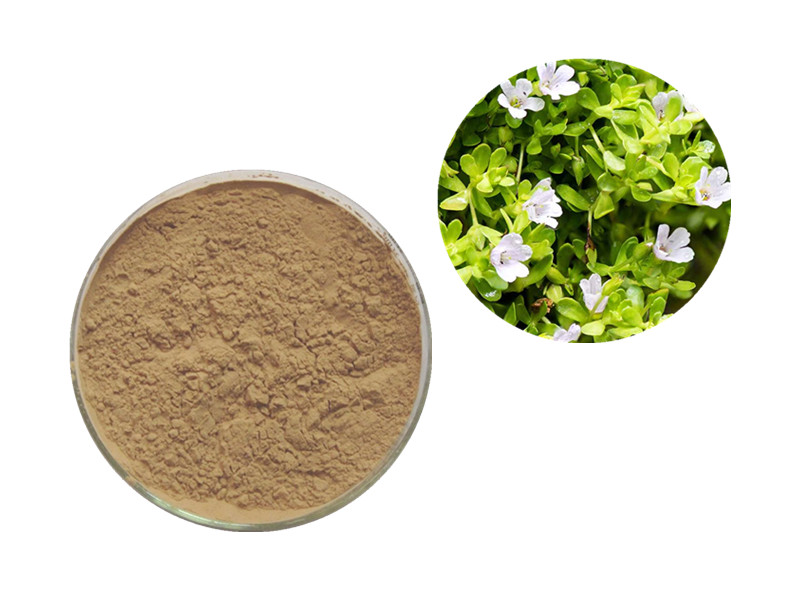
- 6Bacopa Monnieri: The "Synaptic Architect" for Neuro-Regeneration and Cognitive Consolidation
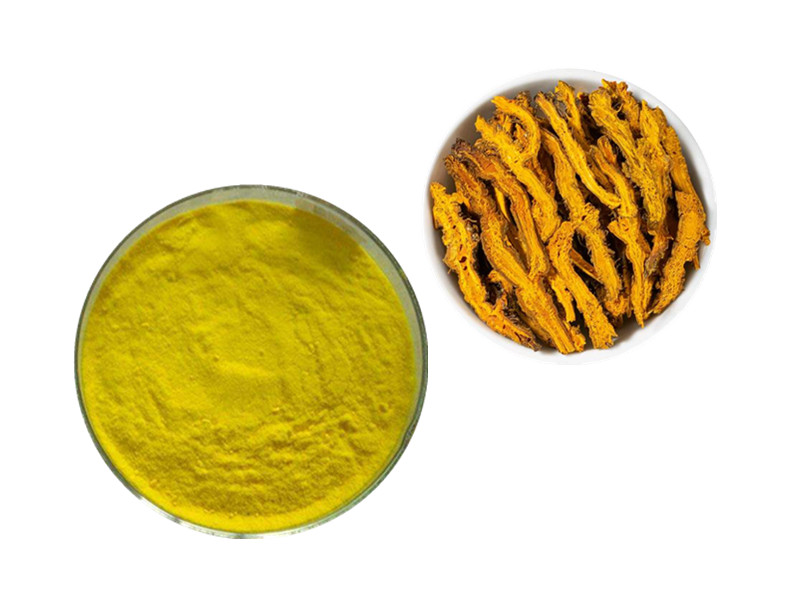
- 7Berberine: The Metabolic Master Switch and Mitochondrial Modulator
- 8Bush Cherry Extract: The Hydro-Kinetic Regulator for Intestinal Lubrication and Transit
Leave a Comment
Add comment: